Five secondary-school girls from rural Tanzania have been recognised for their achievements in an international grassroots internship that brought together young community innovators from Tanzania and Pakistan.
BANGATA, ARUSHA, TANZANIA — 31 October 2026
The students, known as the Bangata Knowledge Connectors, were the only secondary-school team selected for Grassroots Internships 2026, competing for places alongside university students and recent graduates. Eighteen teams from several countries applied, and three were selected.
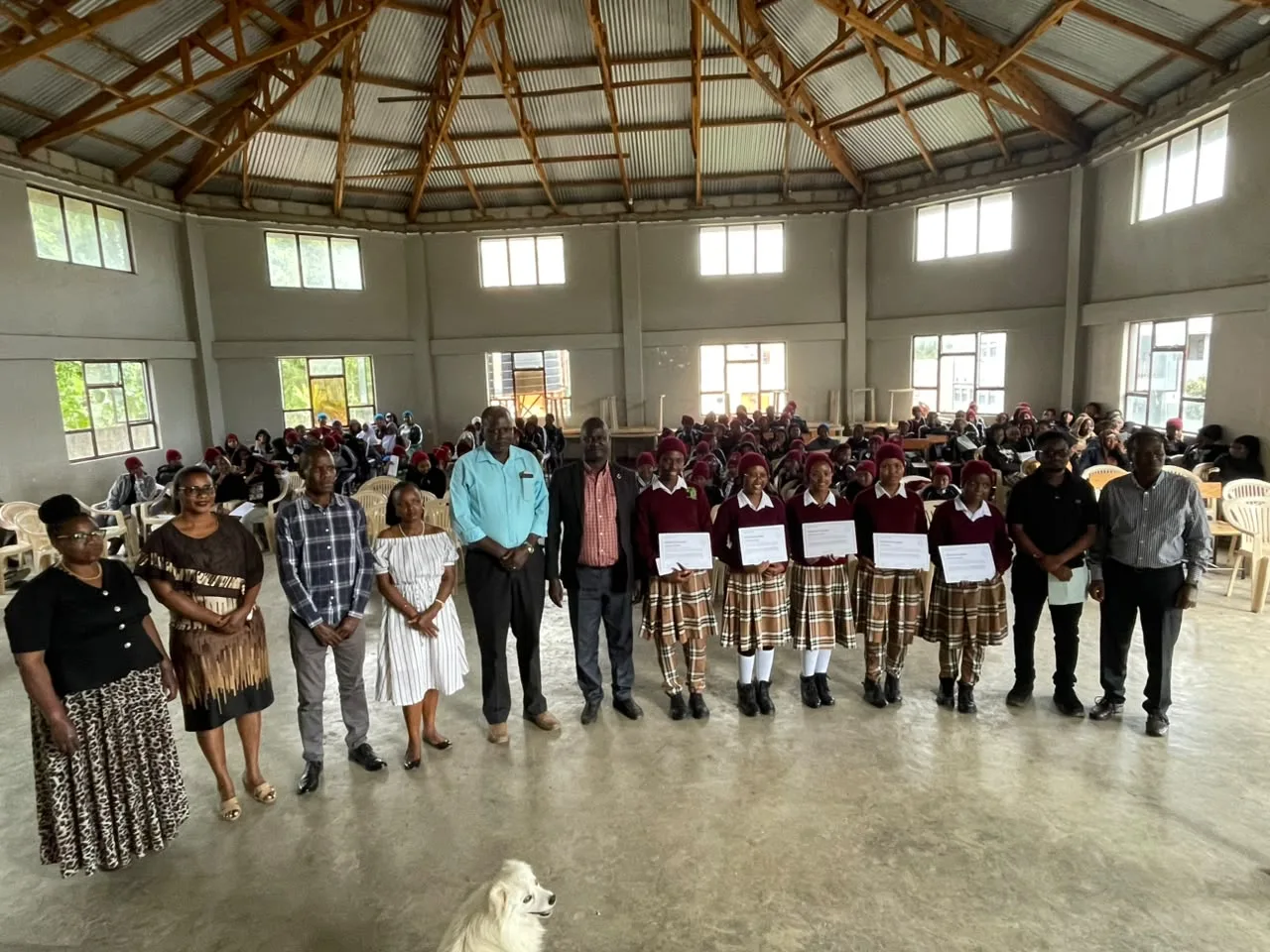
On Friday, 30 October 2026, the five students received certificates and internship stipends of TSh 400,000 each during a recognition ceremony at Sakura Girls Secondary School in Bangata, Arusha. Approximately 150 people attended, including students, teachers, parents, school representatives and a community participant.
The ceremony was organised by Savannah Vision Tanzania (SVTa) in collaboration with Sakura Girls Secondary School, recognising the students’ completion of a four-week community experiment focused on sharing local knowledge and strengthening connections between households.
Grassroots Internships 2026 was organised through Peace Through Prosperity, a social innovation lab and AgiliTea programme operated by AgiliTea Ltd in the United Kingdom. The programme enabled selected teams to undertake practical community experiments using its Grassroots Playbook.
Bangata Knowledge Connectors Selected Alongside University-Level Teams
The Bangata Knowledge Connectors were selected alongside two teams from Karachi, Pakistan, whose participants included university students and recent graduates.
Although the Tanzanian students were still attending secondary school, they were required to meet the same programme conditions and were assessed against the same criteria as the other teams.
A five-member review panel, including four reviewers from outside the programme, evaluated the participants’ work. The programme founders did not take part in the scoring.
The Bangata team’s participation demonstrated that secondary-school students can undertake structured community investigations, document evidence and reflect critically on their findings when provided with appropriate opportunities and support.
Their experience also brought international recognition to a rural Tanzanian school community through a programme that placed practical learning, ethical engagement and accountability at its centre.
How Five Students Connected Knowledge Across Bangata Households
Between 28 July and 24 August 2026, the Bangata Knowledge Connectors conducted a four-week community experiment examining how knowledge already held by local residents could be shared more effectively.
Working with 12 community respondents, the students documented people’s experiences, identified knowledge gaps and explored opportunities to connect residents who could benefit from exchanging practical information.
Rather than introducing an externally designed solution, the students investigated what people already knew and whether facilitating new connections could help address everyday concerns.
They developed a community knowledge map, identified six participants for mapped connections and documented six predictions that they subsequently revisited to assess what had happened.
The experiment also exposed important methodological limitations. The students acknowledged that they had not completed a formal baseline assessment, limiting their ability to establish the extent of change attributable to their intervention.
Their findings therefore document the connections facilitated and the experiences reported by participants, rather than independently verified long-term improvements in household livelihoods.
The experience reinforced an important lesson: responsible community development requires not only initiative and action, but also evidence, transparency and a willingness to acknowledge uncertainty.
The students’ methods and findings are documented in SVTa’s earlier report, Bangata Knowledge Connectors: Six Predictions Tested, Five Student Voices, and What Happened After the Connections.
A Student Innovation Adopted Across the Programme
One of the Bangata team’s most notable contributions was a simple improvement to the programme’s project management approach.
While organising their activities, the students introduced an additional column to their task board titled “What we learnt.”
The addition created a dedicated space for recording lessons emerging from their work, including unexpected findings, disagreements and unsuccessful attempts to connect community members.
The programme subsequently adopted the additional column for all participating teams, crediting the Bangata students for the innovation.
The team also demonstrated initiative in ethical community engagement.
Before beginning field activities, the students independently sought written authorisation from the Bangata Village Executive Officer and obtained signed informed consent from participants in Kiswahili.
These measures reflected their understanding that meaningful community engagement requires permission, transparency and respect for the people involved.
Their willingness to document mistakes and revisit initial assumptions became another defining feature of the experiment.
Peace Through Prosperity Founders Recognise Bangata Students’ Achievements
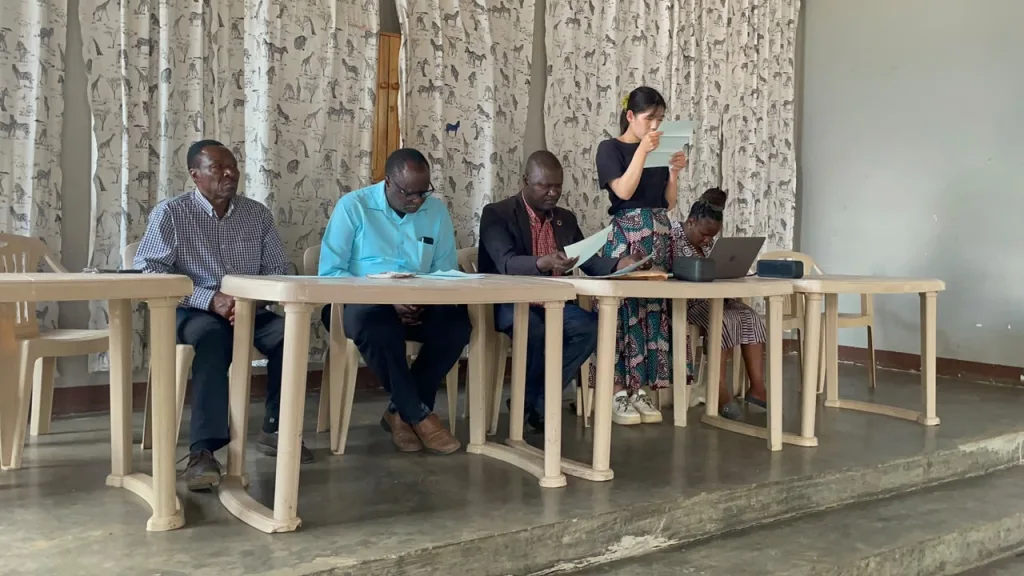
During the recognition ceremony, Ms Sae Noborio delivered a message on behalf of Kubair Shirazee and Sahar Zaidi-Shirazee, co-founders of Peace Through Prosperity, who were unable to attend in person.
The founders thanked Savannah Vision Tanzania for hosting the ceremony and recognised the students’ achievements under the programme’s common assessment standards.
Their message highlighted the team’s initiative in obtaining village authorisation, securing informed consent, documenting six predictions and introducing a learning practice subsequently adopted by the other participating teams.
They also emphasised that the certificates and stipends were earned through the students’ work as paid interns, rather than being presented as charitable gifts.
The message underscored the programme’s commitment to treating young participants as capable contributors whose work should be evaluated fairly and recognised on its merits.
School Community and Parents Celebrate the Five Students
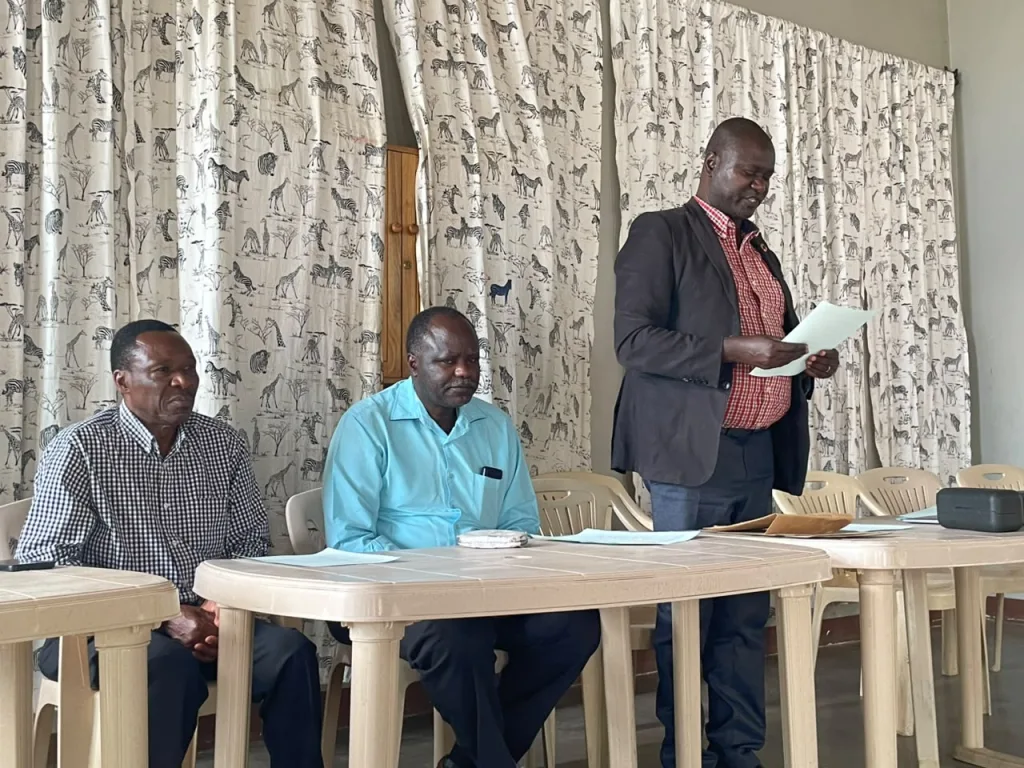
The recognition ceremony took place at Sakura Girls Secondary School on Friday, 30 October 2026, from 3:08 p.m. to 3:48 p.m., with approximately 150 people in attendance.
Mr Thomas Reuben Mollel, Founder and Executive Director of Savannah Vision Tanzania and Headmaster of Sakura Girls Secondary School, delivered the opening and closing remarks.
Mr Linda Sanare, Director of Sakura Girls Secondary School, had been invited as Guest of Honour but was unable to attend. He was represented by Mr Elisha Sironga, who addressed the gathering and congratulated the students on their achievements.
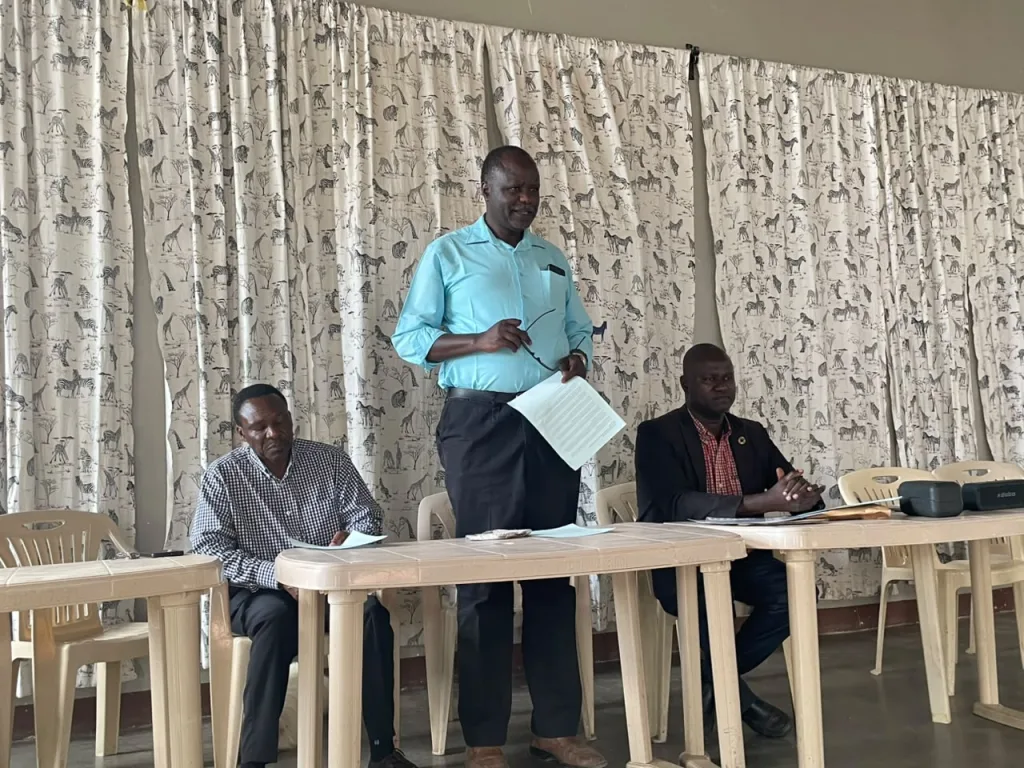
Speaking on behalf of the participating students’ parents, Mr Lebayo, father of one of the students, expressed the parents’ appreciation for the opportunity provided to their children.
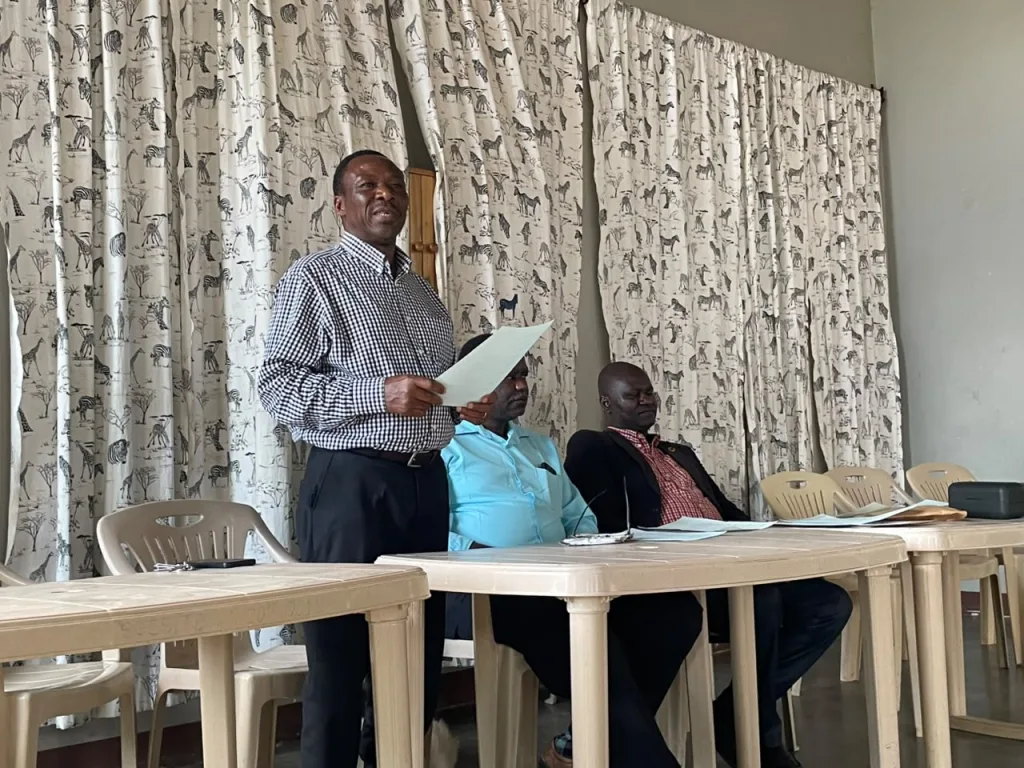
Ms Sae Noborio delivered the message from the programme founders, connecting the celebration in Bangata with the wider international initiative.
The presence of fellow students, teachers, parents and community participants extended the significance of the occasion beyond the five certificate recipients. It gave the wider school community an opportunity to recognise the value of practical learning, responsibility and youth participation in local development.
Parents and other attendees expressed pride in the students’ achievements and appreciation for the support provided through the internship.
Five Students Receive Certificates and TSh 2 Million in Internship Stipends
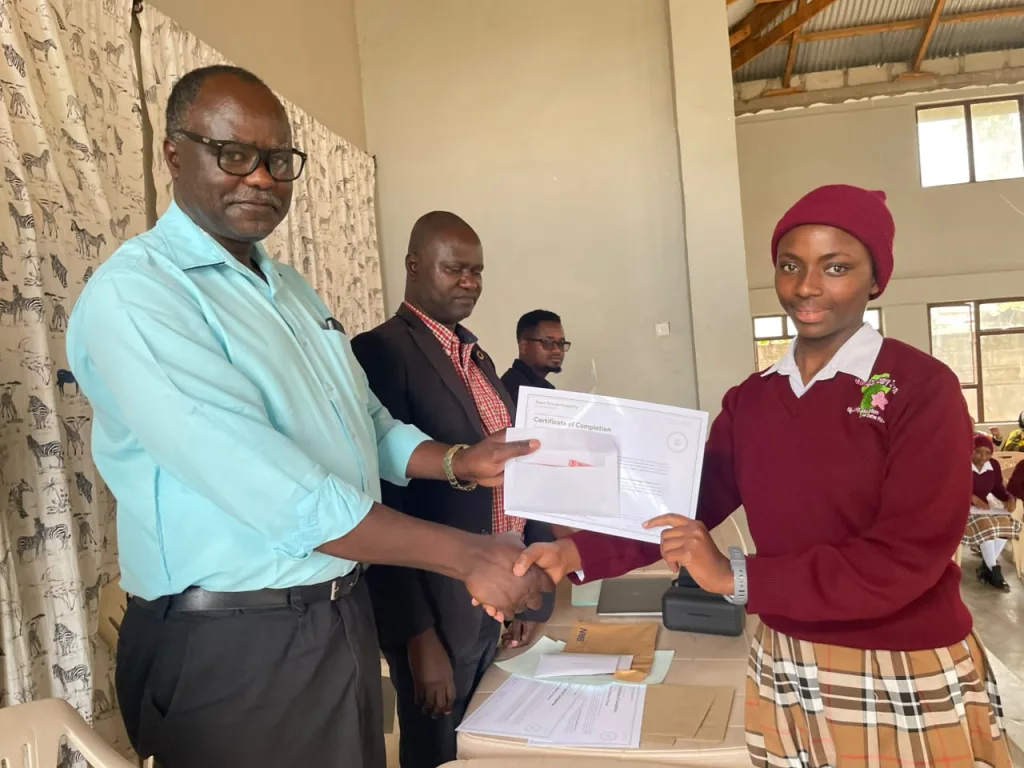
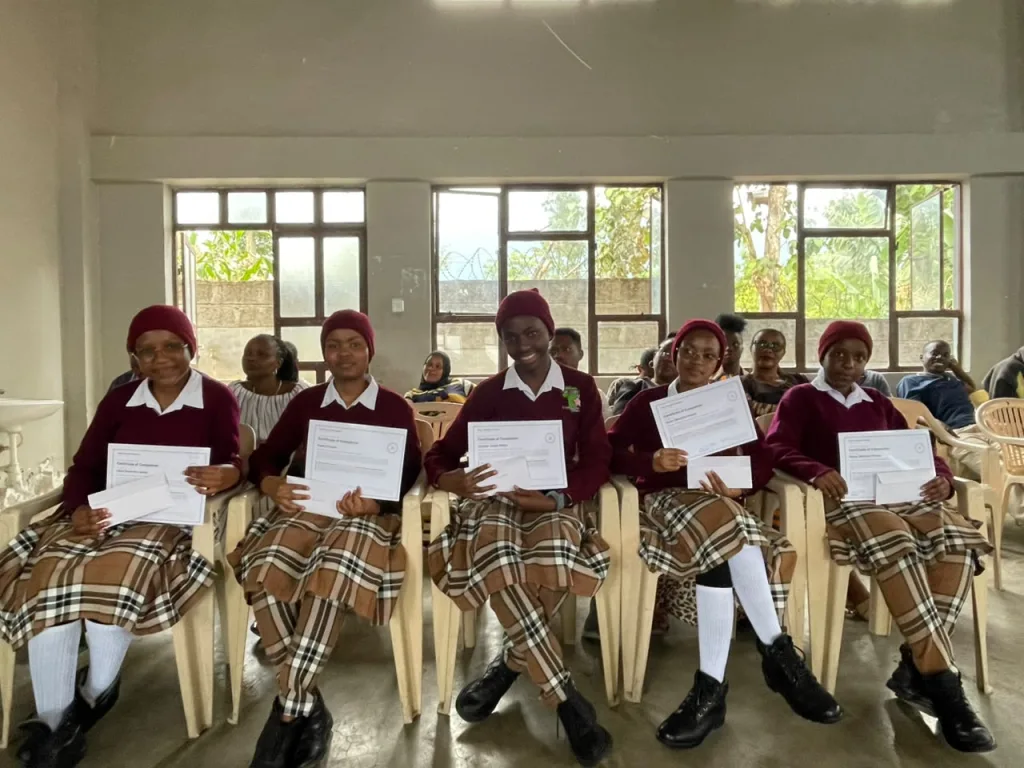
Each of the five Bangata Knowledge Connectors received a participation certificate recognising the 2026 Team Award for Creativity and Discipline, together with an internship stipend of TSh 400,000.
The total amount presented to the five students was TSh 2,000,000.
The payments formed part of the programme’s paid internship arrangements and recognised the work undertaken by the students during their four-week community experiment.
The presentation marked the formal recognition of their commitment to completing the programme’s activities, documenting their findings and reflecting openly on the outcomes of their work.
What the Bangata Experiment Reveals About Rural Girls’ Education
The Bangata Knowledge Connectors experience illustrates how community-based learning can complement formal secondary education by giving students opportunities to investigate local concerns, work with residents and assess evidence from their own activities.
The programme did not require the students to claim that they had solved complex community challenges. Instead, it required them to explain what they attempted, what they observed, what did not work and what they would do differently.
For Savannah Vision Tanzania, this approach reflects its commitment to girls’ education, youth leadership and locally grounded community development.
The experience also demonstrates the potential value of partnerships between rural schools, grassroots organisations and international learning initiatives, particularly when students are given meaningful responsibilities and their work is assessed against transparent standards.
Future programmes could build on these lessons, subject to appropriate community participation, safeguarding arrangements and resources.
International Partnership Supports Youth-Led Learning in Tanzania
Savannah Vision Tanzania acknowledges the contribution of Kubair Shirazee and Sahar Zaidi-Shirazee, Peace Through Prosperity and the Grassroots Internships team in developing and supporting the international initiative.
The organisation also recognises Sakura Girls Secondary School, the participating students, their parents and guardians, Bangata village leadership, community respondents and the school staff who supported the experiment.
The Bangata Knowledge Connectors’ achievement demonstrates what becomes possible when rural secondary-school students are given opportunities to participate in internationally assessed learning initiatives. Beyond the certificates and internship stipends, their contribution lies in the practical knowledge they documented, the community connections they facilitated and the learning practice adopted across the programme.
For Savannah Vision Tanzania and Sakura Girls Secondary School, the experience provides a foundation for strengthening experiential education, girls’ leadership and responsible community engagement through future partnerships.
Bangata Knowledge Connectors: The Students in Their Own Words
The five Bangata Knowledge Connectors reflect on their experiences during Grassroots Internships 2026, including the skills they developed, challenges they encountered and lessons they will carry forward.
Their reflections offer a firsthand perspective on what it meant to investigate community concerns, engage with local residents and learn through practical experience.
Watch the students’ reflections below.
About Savannah Vision Tanzania
Savannah Vision Tanzania (SVTa) is a registered non-governmental organisation headquartered in Monduli, Arusha Region, Tanzania. The organisation works with underserved rural communities to advance education, sustainable livelihoods, environmental conservation and community development through locally grounded initiatives and partnerships.
Further reading