Two-Week Review and the Journey into Week 3 | August 2026
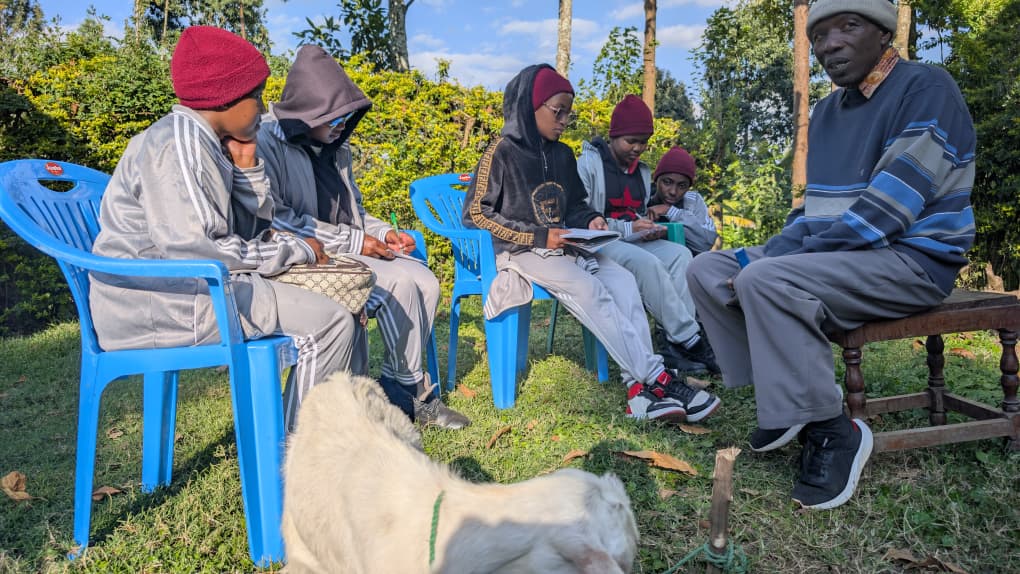
Bangata Knowledge Connectors has entered its third week in Bangata Village, Arusha, with five students from Sakura Girls Secondary School moving from community listening and knowledge mapping to their first neighbour-to-neighbour knowledge connections. The student-led grassroots experiment is testing a practical question: what useful knowledge already exists within the community, and what happens when young people help that knowledge move between neighbours?
The field experiment began on 28 July 2026 and runs through 24 August. The final week, 25–31 August, is reserved for analysing evidence, building the students’ story and preparing a ten-minute presentation in which all five students will speak.
Bangata Knowledge Connectors Begin with Permission and Listening
The first two weeks established the foundation for responsible fieldwork. When the students initially found the Bangata Village Executive Officer’s office closed, they contacted him, returned the following morning and obtained written authorization from the village authorities before proceeding.
The students developed their own questionnaire, identified respondents, sought consent and began documenting practical knowledge, challenges and differing viewpoints. By the end of Week 2, they had interviewed eight households and maintained handwritten field journals.
A particularly strong feature of their method was the decision to record disagreements and different views rather than only responses that matched. That choice keeps the experiment grounded in what people actually say and experience.
A Student Innovation: Bangata’s Fourth Kanban Column
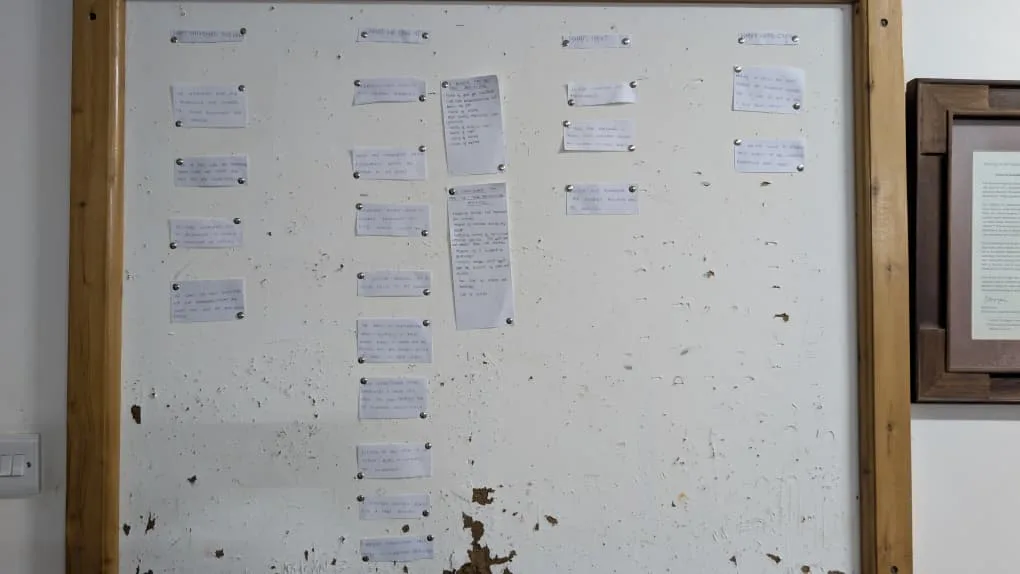
While organizing their work, the students adapted the experiment’s Kanban board by adding a fourth column of their own: “WHAT WE LEARNT.” They also created a reminder to record disagreements and different opinions.
Team Numu highlighted the addition as one of the strongest ideas produced in the programme and indicated that the fourth column would be used more widely, with the Bangata team credited for introducing it. The students are therefore doing more than following a field method: their own experience is beginning to improve it.
Week 3: From 8 Respondents to 12—and the First Knowledge Connection
The third-week journey has now started. Four additional respondents have been interviewed, bringing the total to 12. The new respondents include three shopkeepers-Glory, Tinah and David—and a food vendor, Joyce. This broadens the knowledge map beyond the earlier household interviews and brings small-business experience into the experiment.
More importantly, the Bangata Knowledge Connectors have started the second half of the experiment: connecting people whose experiences or challenges overlap.
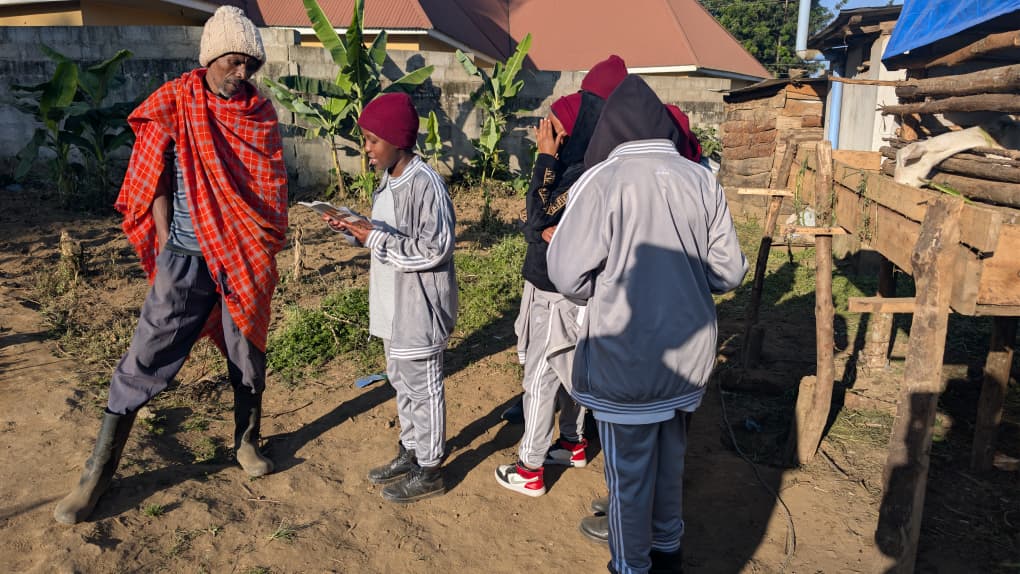
The students identified a shared problem among Tinah, Glory and Joyce: customers delaying payment of debts. Instead of recording the same challenge in separate notebooks and moving on, the students brought them together. During the exchange, Glory shared a possible approach to the problem.
The connection took place on the same day as the interviews because the participants indicated that they would not have time the following day. It is a small but important example of the students adapting the experiment to the realities of people’s working lives.
When a Connection Does Not Work, the Team Records It
Not every planned connection succeeded. The students reported that they could not connect David with neighbouring businesspeople because of an unhealthy relationship between them. Rather than remove this from the story, Naomi recorded it under the team’s “Where We’re Stuck” section.
That finding matters. It suggests that useful knowledge alone may not be enough to create exchange: trust, relationships, communication and willingness to engage can determine whether a connection is possible. For this experiment, an unsuccessful introduction is evidence too.
What the Students Are Learning from Bangata
- Negotiation and effective communication can help people address shared problems peacefully.
- Unity and cooperation can create opportunities for community members to learn from one another.
- Rising prices of manufactured goods are making it harder for small shopkeepers to sell profitably.
- Food vendors can experience direct losses when prepared food remains unsold.
- The availability of gas stoves in the village can contribute to reduced dependence on fuelwood.
- Small businesses can become starting points for wider economic progress.
- Knowledge becomes more useful when people can exchange it, question it and adapt it to their own circumstances.
Five Students, Five Responsibilities
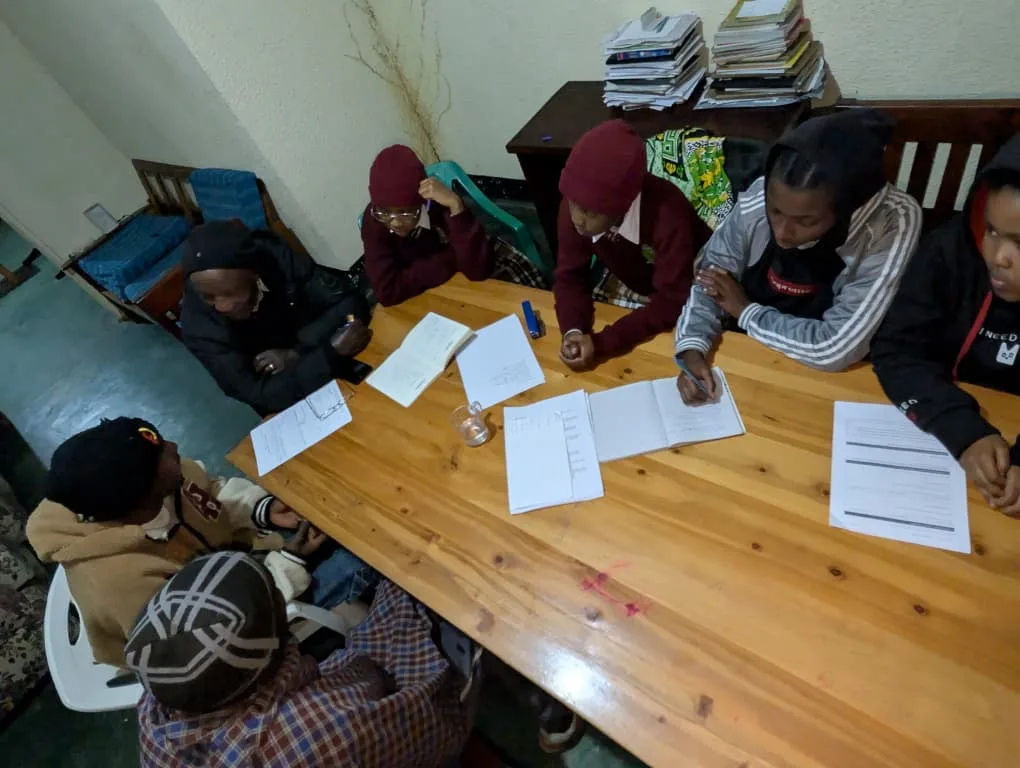
- Lidya E. Lebayo, 17 – Team Leader: Leads the team and delegates duties among members.
- Queen S. Edward, 17 – Photographer & Videographer: Records important field activities through photographs and video.
- Joyness J. Ritton, 16 – Data Analyst: Collects results, analyses findings, and leads preparation of the final report and presentation.
- Naomi Charles, 16 – Documenter: Takes notes, records observations and keeps track of important details.
- Nancy B. Mrosso, 17 – Materials Manager: Prepares, organizes and distributes the equipment and resources required by the team.
Week 3 also marks a shift in ownership of the reporting process. Naomi prepared the team’s 14 August weekly check-in herself. This follows Team Numu’s guidance that the students—not adults supporting them-should increasingly write, explain and ultimately present the experiment in their own voices.
Consent and Evidence: Moving Beyond Activity Reporting
The team’s field documentation includes participant consent records explaining the purpose of Bangata Knowledge Connectors, voluntary participation and the intended use of information. The forms also distinguish participation from permission for photography and audio recording.
The next stage will require stronger evidence than photographs or the students’ own account of what happened. Follow-up will ask what participants did differently after a connection, what they would say to another person considering participation, and what they felt was wrong or unhelpful. Positive comments, criticism, unchanged behaviour and unsuccessful connections all have a place in the evidence.
What Comes Next for the Bangata Knowledge Connectors
The team will continue developing its knowledge map and testing carefully selected connections, including planned links among agriculturalists. The students will document what people agree and disagree about, what knowledge is exchanged, and whether anything changes after an introduction.
Fieldwork ends on 24 August. From 25–31 August, the five students will review their evidence, identify what worked and what did not, build the final story and practise their ten-minute presentation. Every student is expected to speak and to be able to explain any part of the experiment.
Why the Bangata Knowledge Connectors Experiment Matters
Bangata Knowledge Connectors is not a conventional student outreach exercise and it is not designed around students arriving with ready-made answers. Its purpose is to test whether young people can identify useful knowledge that already exists within a rural community and help it travel between people who might otherwise remain disconnected.
The first two weeks built the map. Week 3 is testing whether the lines on that map can become real human connections.
About the Initiative
Bangata Knowledge Connectors is being undertaken by five students from Sakura Girls Secondary School / Sakura Vision Tanzania with local support from Savannah Vision Tanzania (SVTa). It forms part of the 2026 grassroots internship experiment initiated by Kubair Shirazee and Team Numu and made possible through Peace Through Prosperity.
Further reading: The Grassroots Playbook | Kubair Shirazee on LinkedIn | SVTa Projects | SVTa News