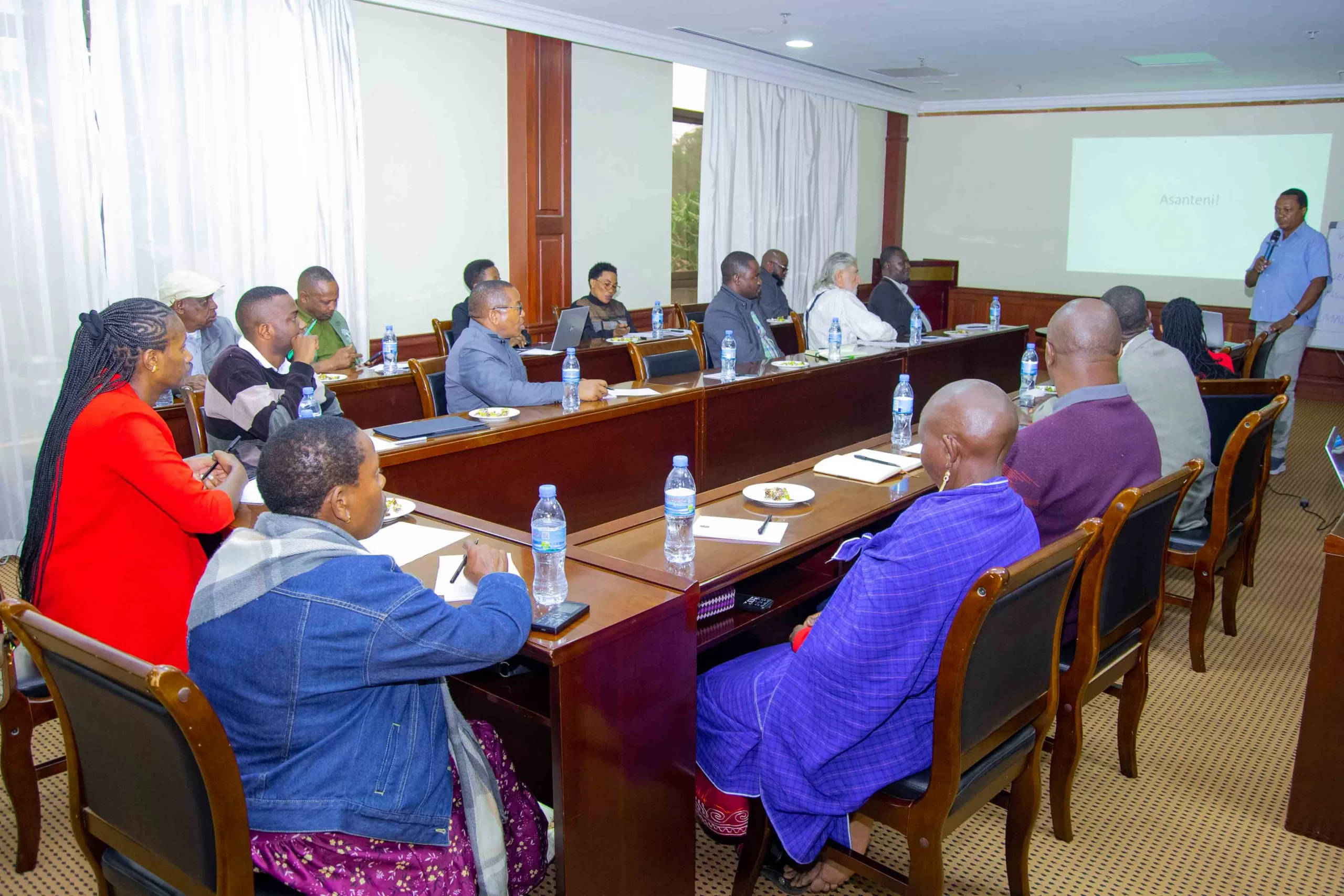
26 May, 2026, Kibo Palace Conference Hall-Arusha Tz.
Savannah Vision Tanzania (SVTa) has participated in the Food and Agriculture Organization of the United Nations (FAO) AFR100 Direct Beneficiary Grants (DBGs) Orientation Meeting held at Kibo Palace Hotel in Arusha, following the organization’s selection among a limited number of restoration-focused institutions invited to participate in the grant application process for the Monduli-Karatu restoration landscape.
The orientation brought together selected NGOs, community organizations, restoration actors, technical institutions, and development stakeholders involved in advancing ecosystem restoration, climate resilience, and sustainable rural livelihoods in northern Tanzania. Participation in the engagement reflects growing recognition of locally driven restoration initiatives capable of contributing to long-term landscape recovery and community resilience within vulnerable ecosystems.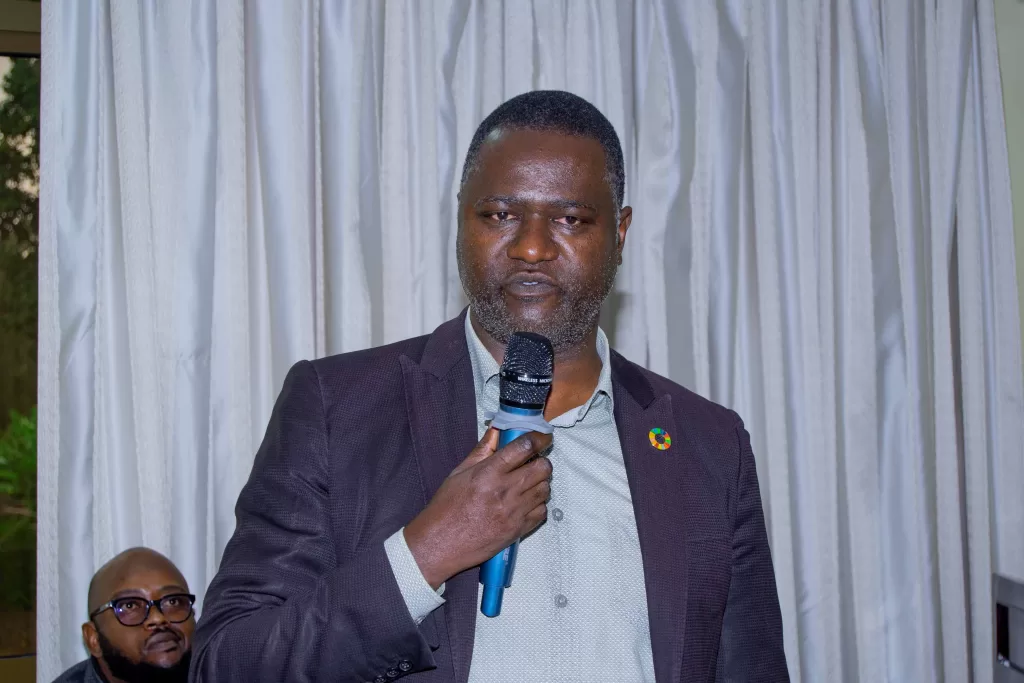
SVTa Founder and Executive Director Thomas Reuben Mollel introducing Savannah Vision Tanzania during the orientation session.
The AFR100 Programme in Tanzania is implemented by FAO with support from the Government of Germany through the German Federal Ministry for Economic Cooperation and Development (BMZ). The programme forms part of the wider African Forest Landscape Restoration Initiative (AFR100), a continental effort supporting African countries in restoring degraded landscapes while strengthening biodiversity conservation, climate adaptation, food security, water conservation, and sustainable livelihoods.
According to FAO, the Monduli-Karatu landscape has been identified as a priority restoration area due to increasing environmental degradation, ecosystem vulnerability, and climate-related pressures affecting rural communities and natural resources. The programme targets restoration of approximately 7,000 hectares through community-led restoration approaches and restoration-linked livelihood interventions.
During the orientation sessions, participants received technical guidance on grant eligibility requirements, proposal preparation, budgeting procedures, implementation expectations, environmental and social safeguard compliance, and programme outcome frameworks. Facilitators emphasized the importance of preparing clear, realistic, and impact-oriented proposals capable of generating measurable ecological and socio-economic outcomes within restoration landscapes.
Participants were also introduced to several technical and implementation partners supporting the programme, including the International Institute for Environment and Development (IIED-Policy), WWF, Ennovation for Change, Justdiggit, and MVIWAARUSHA serving as an entry-point and apex-based organization.
FAO facilitators explained that the Direct Beneficiary Grants are non-repayable grants designed to support restoration and restoration-linked enterprises through direct financial support and technical assistance. Eligible interventions include agroforestry, tree planting and assisted natural regeneration, biodiversity restoration, community nurseries, soil and water conservation, and restoration-supportive livelihoods.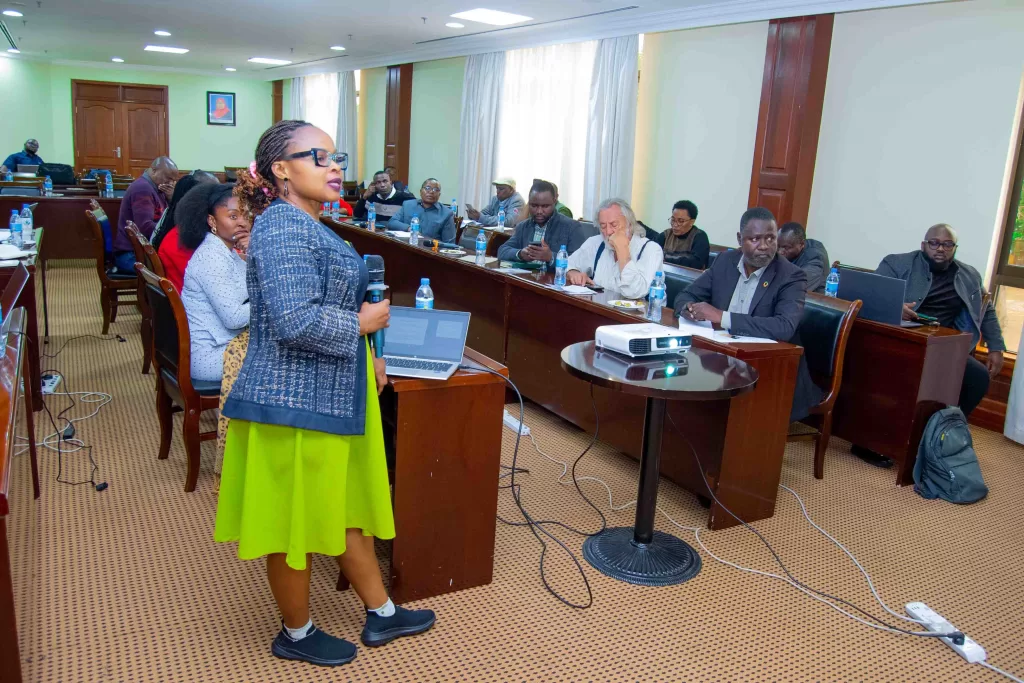
Technical presentations and discussions during the FAO AFR100 Direct Beneficiary Grants orientation programme in Arusha.
The programme strongly aligns with Tanzania’s national environmental and sustainable development priorities, including climate adaptation, ecosystem restoration, biodiversity protection, and implementation of the Sustainable Development Goals (SDGs), particularly SDG 13 (Climate Action), SDG 15 (Life on Land), and SDG 17 (Partnerships for the Goals).
For Savannah Vision Tanzania, participation in this engagement represents another important step in strengthening its contribution to community-led environmental restoration and sustainable rural development in northern Tanzania. Through its integrated initiatives in agroforestry, beekeeping, ecosystem restoration, environmental stewardship, and livelihood empowerment, SVTa continues to promote locally grounded approaches that connect ecological sustainability with long-term community resilience.
As restoration financing and climate-resilience investments continue to expand across Africa, initiatives that combine environmental conservation with community-centered livelihood strategies are becoming increasingly important in addressing land degradation, biodiversity loss, and climate vulnerability within rural landscapes.
SVTa appreciates the opportunity provided by FAO, the Government of Germany, AFR100 partners, and implementing stakeholders, and looks forward to contributing meaningfully to restoration and sustainable landscape management efforts in Monduli and Karatu Districts.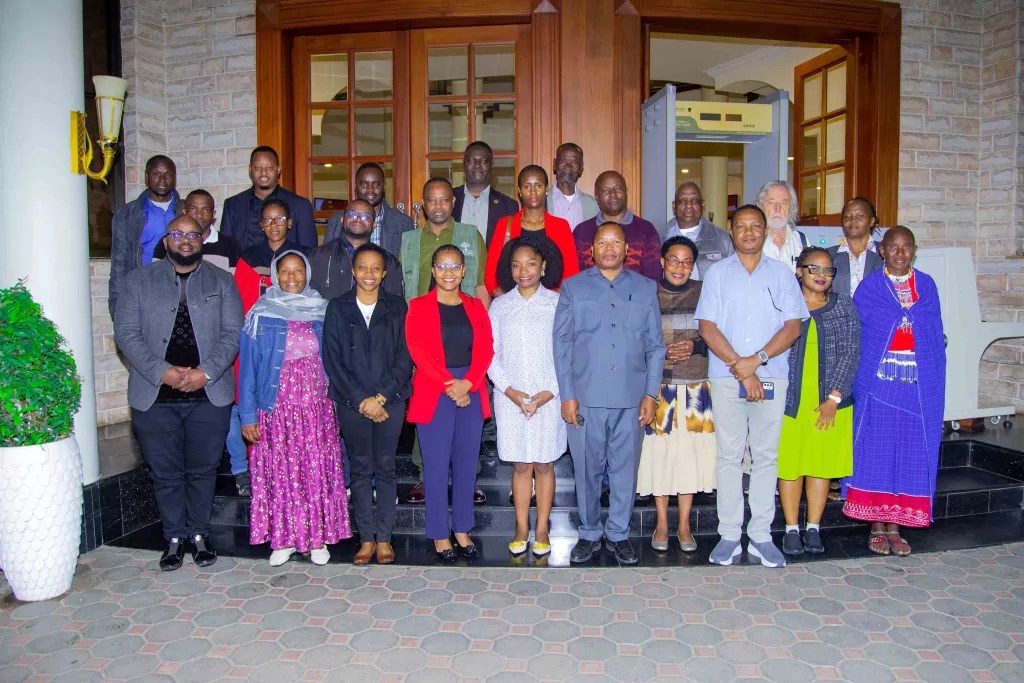
Participants and stakeholders following completion of the FAO AFR100 Direct Beneficiary Grants orientation meeting in Arusha.
Useful Links:
FAO AFR100 Tanzania Programme
https://www.fao.org/in-action/afr100/country-profiles/tanzania/en
AFR100 Initiative
https://afr100.org/country/tanzania
Savannah Vision Tanzania
https://savannahvisiontz.org/