Introduction
Organizational Snapshot
- Established: 11 May 2022
- Registration Number: 00NGO/R/3252
- Headquarters: Monduli Town, Arusha Region, Tanzania
- Area of Operation: Mainland Tanzania
- Core Areas: Education, Sustainable Livelihoods, Environmental Stewardship, and Strategic Partnerships
Our Story
Savannah Vision Tanzania was established through the vision of Thomas Reuben Mollel and the collective commitment of fellow founders who shared a common desire to empower marginalized communities and promote sustainable rural development in Tanzania.The inspiration for SVTa emerged from decades of engagement with rural communities, educational institutions, and field research across northern Tanzania. Through his work in education, community development, and natural resource management, Thomas Reuben witnessed firsthand the challenges facing many marginalized communities, including poverty, limited access to quality education, environmental degradation, and restricted economic opportunities.A significant influence in the formation of SVTa was his academic and field research involving Hadzabe hunter-gatherer communities in the Eyasi Basin, as well as years of engagement with Maasai communities. These experiences revealed the close relationship between education, livelihoods, cultural heritage, environmental conservation, and sustainable development.Guided by these lessons, SVTa was founded to promote practical, community-centered solutions that improve livelihoods, strengthen education, protect natural ecosystems, and create opportunities for future generations.
What we do
Quality Education and Leadership Development
We work with Sakura Girls Secondary School and other educational institutions to improve access to quality education, STEM learning, leadership development, environmental education, and lifelong learning opportunities, particularly for children, youth, and girls from marginalized communities.
Sustainable Livelihoods and Economic Empowerment
We support sustainable income generation through beekeeping, fruit tree farming, entrepreneurship, sustainable agriculture, and other community-based livelihood initiatives that strengthen household resilience and economic opportunity.
Environmental Conservation and Climate Resilience
We promote tree planting, ecosystem restoration, biodiversity conservation, sustainable natural resource management, and climate-resilient practices that improve environmental health while supporting community well-being.
Where we Work
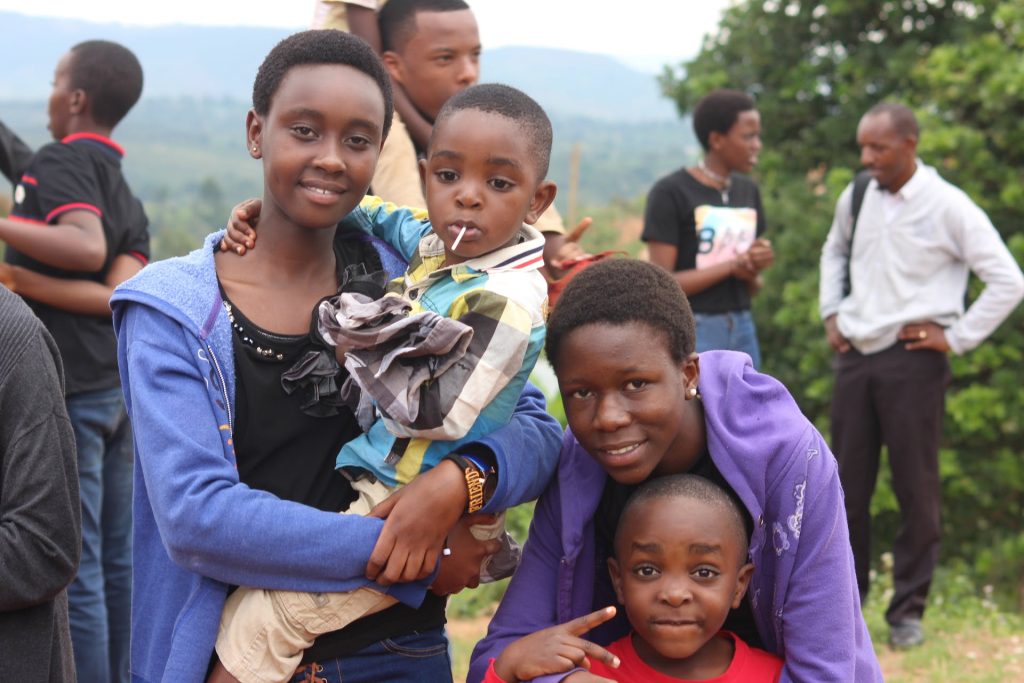
Savannah Vision Tanzania (SVTa) works with marginalized rural communities across northern Tanzania, with current initiatives concentrated in Monduli, Karatu, and Mbulu districts. Our programs serve Maasai, Hadzabe, and other underserved communities through locally driven interventions that combine quality education, sustainable livelihoods, environmental conservation, and community empowerment.
Our Impact
Since its establishment, SVTa has continued to expand its reach and impact through practical community-based initiatives.
Key achievements include:
- Distribution of more than 130 modern beehives to marginalized households.
- Training of more than 80 community members in sustainable beekeeping and environmental stewardship.
- Support to more than 200 direct and indirect beneficiaries through livelihood and conservation initiatives.
- Promotion of fruit tree farming and sustainable agriculture to strengthen household income and nutrition.
- Collaboration with educational institutions to expand access to quality education and leadership development opportunities.
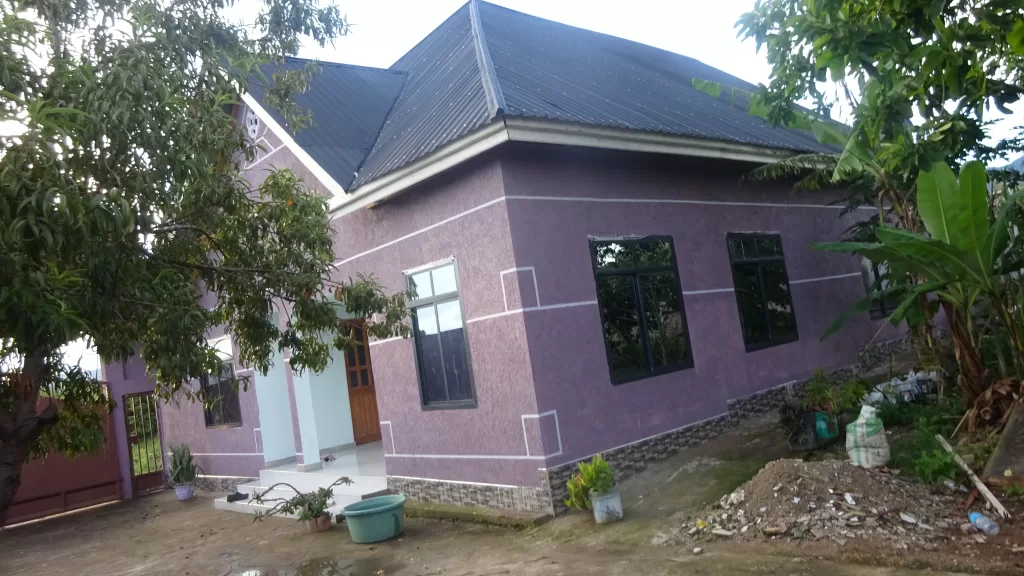
- Establishment of a dedicated headquarters facility in Monduli to support training, coordination, and future organizational growth.
Partnership and Collaboration
Savannah Vision Tanzania believes that sustainable development is best achieved through collaboration. We work closely with local communities, educational institutions, government authorities, development partners, researchers, civil society organizations, and international networks to advance shared development goals and create lasting impact.
Through its programs and partnerships, SVTa contributes to SDG 4 (Quality Education), SDG 8 (Decent Work and Economic Growth), SDG 15 (Life on Land), and SDG 17 (Partnerships for the Goals).
Mission
To empower marginalized communities in Tanzania by expanding access to quality education, strengthening rural livelihoods through initiatives such as beekeeping and sustainable agriculture, and promoting environmental conservation to improve living standards and long-term resilience.
Vision
A Tanzania where marginalized communities achieve sustainable development through quality education, economic empowerment, and environmental stewardship—free from poverty and equipped to thrive in harmony with nature.
Guiding Principles
To achieve this vision, we are committed to the following principles:
Courage:
We embrace innovation, leadership, and proactive action in addressing development challenges.
Integrity:
We uphold transparency, accountability, professionalism, and evidence-based decision-making in all our work.
Respect:
We value the dignity, knowledge, rights, and contributions of every individual and community we serve.
Collaboration:
We believe that sustainable development requires strong partnerships, shared learning, and collective action.